 833-HIRE-RTR




How to Determine if Your Work-Related Car Accident Qualifies for Workers’ Compensation Benefits
Car accidents that occur during work activities can be overwhelming, but understanding whether you qualify for workers’ compensation benefits is essential to your recovery. Workers’ compensation may cover any injury or illness resulting from a work-related car accident. Navigating the eligibility process can be challenging, so it’s crucial to know when a work-related accident is covered under workers’ compensation laws. The employment relationship, specifically whether the accident occurred within the scope of your job duties, plays a significant role in determining eligibility. Delays in reporting an accident can complicate the claims process, so timely action is critical. Employees must report the injury within the timeframe required by state law. This article discusses the key factors that determine whether your accident qualifies for benefits.
What Is a Work-Related Car Accident?
A work-related car accident occurs when you are performing job duties for your employer. However, not every car accident during working hours automatically qualifies for workers’ compensation. Working hours alone are not enough; the accident must happen while performing work-related duties. For example, delivery drivers, sales representatives, and construction workers may experience motor vehicle accidents while fulfilling job-related responsibilities.
Commuting to and from work is generally not covered under workers’ compensation due to the “going and coming” rule. Employers and insurance companies sometimes dispute claims to avoid paying benefits, making it important to understand your rights.
April Gibson
I must admit first impression was a little iffy as it had been a week since my husband signed papers and we hadn't heard anything. Today I emailed and said that I hadn't heard anything from them in almost a week and I wasn't even sure who my husband's attorney was. Within minutes I was receiving a phone call from the law firm and the gentleman put me in touch with my husband's paralegal who works with his attorney and she did an intake and was very friendly. Her name was Emily chica. She answered all my questions she let me explain everything about my husband's injury that I felt she needed to know even if she didn't need that information she still let me explain it. She gave me a very detailed timeline of how the next several months will go with the case and told me in order of everything that would be happening next. Then she also gave me the date and time that she'll be calling us and checking in with an update, which is one week away. She was kind and concerned and asked how we were doing since my husband is on unpaid FMLA leave. Even though my husbands job told him he could not return to work until certain stipulations were signed she reassured us that the disposition she sends to workers comp would see to it that he sees the doctors he needs to see at which point those doctors would give specifications for my husband to return to his normal job or his job would have to find him a different position to do and if that was not possible then they would have to pay him for being at home. This was comforting to hear since we unfortunately solely rely on my husband's income and we also have three children two of which are starting back to school and need school supplies, school clothes, haircuts, & new shoes. So I am optimistic and feel confident in our choice to work with this Law firm.
Factors That Determine Eligibility
- Performing Job Duties: If the accident occurs while performing job-related duties such as making deliveries, traveling between job sites, or completing employer-assigned errands, your eligibility for workers’ compensation depends on what you were doing when the accident occurred.
- Commuting vs. Work-Related Travel: Routine commuting typically isn’t covered. Exceptions may apply during business trips or when your employer asks you to complete a work-related errand during your commute. For example, if you are injured while picking up supplies for your employer on the way to work, the accident may be considered work-related. Accidents that occur during travel to client meetings or other work-related destinations are generally covered.
- Employer-Provided Transportation: If your employer provides a vehicle or requires travel between worksites, and an accident occurs during this required travel, you may be entitled to workers’ compensation benefits.
- Business Travel: Car accidents during business trips, local or out-of-state, are typically considered work-related. This includes attending meetings or conferences. Employees injured under these circumstances may qualify for medical and wage-replacement benefits.
- Special Assignments: Completing a task outside your regular job duties at your employer’s request can qualify as a work-related activity. If an accident occurs during such a task, you may be eligible for compensation, even if it happens outside normal work hours.
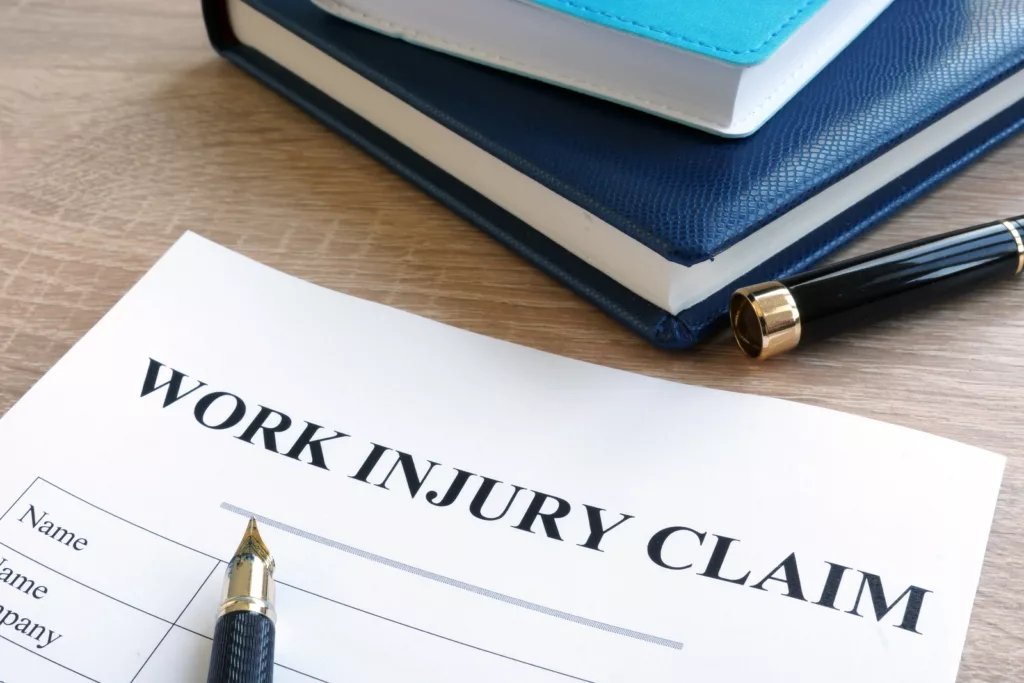
Proper documentation is crucial. Obtaining a police report is especially important if another driver is involved, as it provides an official record supporting your claim.
Employees, not independent contractors, are eligible for workers’ compensation benefits. Independent contractors are usually not covered unless they have been misclassified.
Compensation for lost wages is typically based on the employee’s average weekly wage. Injured workers may also receive benefits for rehabilitation and retraining if their injury prevents them from returning to their previous job. Survivor benefits may be available if a worker dies from a work-related injury or illness, covering funeral and memorial expenses.
For example, if an employee is injured in a car accident while making deliveries, they may qualify for workers’ compensation benefits covering medical expenses and lost wages.
When Are Work-Related Car Accidents Not Covered?
- Personal Errands: Accidents that occur during personal errands, even in a company vehicle, are usually not covered.
- Deviation from Job Duties: Unapproved detours or personal side trips can disqualify your claim.
- Intentional Misconduct: Workers’ compensation does not cover accidents caused by intoxication, reckless driving, or violations of company policy.
Medical Bills and Expenses After a Work-Related Car Accident
Medical expenses can quickly become overwhelming for injured workers. Fortunately, workers’ compensation benefits are designed to cover the financial impact of medical treatment resulting from work-related injuries.
If you are involved in a car accident while performing your job duties, workers’ compensation typically covers emergency care, hospital stays, surgeries, prescription medications, physical therapy, and ongoing medical treatment related to your injury. To receive these benefits, you must promptly inform your employer that your injuries resulted from a work-related car accident. After you file your claim, the insurance carrier will review your case and, if approved, cover your necessary medical expenses.
Keep detailed records of all medical care, including bills, receipts, and provider documentation. These records are vital in demonstrating the extent and cost of your injuries. Workers’ compensation is there to help you recover without the stress of medical debt.
Steps to Take After a Work-Related Car Accident
Taking immediate and organized action increases your chances of a successful claim:
- Report the Accident Immediately: Notify your employer as soon as possible. Timely reporting is crucial to the success of your claim.
- Seek Medical Attention: Even minor injuries should be promptly documented for medical and legal purposes.
- Gather Evidence: Collect accident reports, photographs, witness statements, and medical records to support your claim.
- Consult a Workers’ Compensation Attorney: A knowledgeable attorney can guide you through complex claims, handle denials or disputes, and ensure you receive the full range of benefits you are entitled to under the law.
Why Legal Guidance Matters
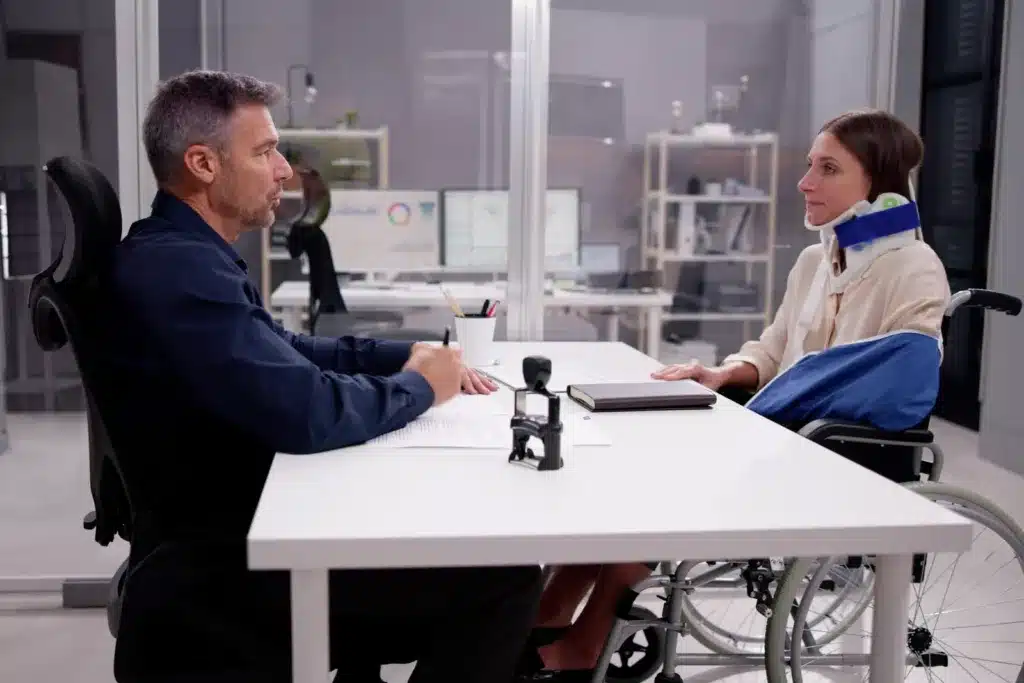
Understanding your situation requires expert legal analysis. If you’re unsure about your eligibility for workers’ compensation after a car accident, a specialized attorney can clarify your rights and guide you through the claims process.
Legal representation is especially important if your claim is denied or disputed. Experienced attorneys can help determine your eligibility, ensure fair compensation, and represent you in hearings or appeals if necessary.
For more information or to discuss your work-related car accident with a workers’ compensation lawyer, contact RTRLAW for a free case evaluation today. Our team is dedicated to protecting your rights and helping you navigate the complexities of workers’ compensation claims so you can move forward from your accident.